


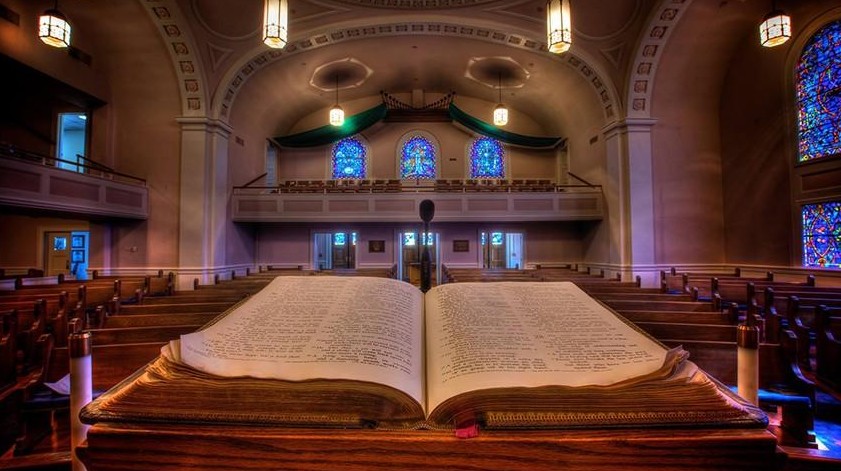
The AME Book of Discipline as a governance tool shapes how the African Methodist Episcopal Church leads, teaches, and serves. It gives clear rules. It guides leaders. It protects the church’s mission. If you are a member, leader, or student of church life, you need to understand how this book works. This article explains its purpose, structure, and value in simple terms. You will learn how it supports order, fairness, and spiritual growth in every AME church.
What Is the AME Book of Discipline?
The AME Book of Discipline is the official rulebook of the church. It explains doctrine, church law, leadership roles, and daily practice. It helps every church stay united in belief and action.
Key Purpose
- It defines church governance
- It sets rules for leadership
- It guides worship and doctrine
- It supports church discipline and order
This book is not just about rules. It is a guide for living out faith in a structured way.
Why Governance Matters in the AME Church
Church governance keeps things clear and fair. Without structure, confusion grows. With structure, the church moves forward with purpose.
Benefits of Strong Governance
- Clear leadership roles
- Consistent teaching
- Fair decision-making
- Protection from conflict
The AME Church uses the Discipline to keep unity across many countries and cultures.
Historical Roots of AME Governance
The AME Church began in 1816 under the leadership of Richard Allen. He believed in freedom, order, and accountability. These values shaped the Book of Discipline.
Key Historical Insight
- The church was formed after unfair treatment in Methodist churches
- Leaders wanted self-governance
- The Discipline became the system to guide that freedom
Today, the same principles still guide the church.
Structure of the AME Book of Discipline
The Discipline is organized into clear sections. Each section has a purpose.
1. Doctrine and Beliefs
This section explains what the church believes.
- The Holy Trinity
- Salvation through Jesus Christ
- The authority of Scripture
These beliefs shape every decision.
2. Church Government
This part explains the leadership structure.
- Bishops
- Presiding Elders
- Pastors
- Lay members
Each role has clear duties.
3. Conferences and Meetings
The Discipline defines how meetings work.
- General Conference
- Annual Conference
- District Conference
- Quarterly Conference
These meetings help manage the church.
4. Church Law and Discipline
This section explains rules and accountability.
- Ethical conduct
- Conflict resolution
- Leadership standards
It ensures fairness and justice.
How the Discipline Functions as a Governance Tool
The Discipline works like a system. It connects every level of the church.
Clear Chain of Authority
- The General Conference sets rules
- Bishops oversee regions
- Pastors lead local churches
Each level supports the next.
Decision-Making Process
Decisions follow a clear path:
- The issue is raised
- Leaders review it
- The Discipline guides the outcome
This reduces confusion.
Accountability System
Leaders must follow the Discipline.
- Misconduct has consequences
- Members have rights
- Processes are documented
This builds trust.
Role of the Discipline in Daily Church Life
The Discipline is not just for leaders. It affects every member.
In Worship
- Guides the order of service
- Supports teaching
- Maintains unity in practice
In Membership
- Defines responsibilities
- Encourages spiritual growth
- Promotes active participation
In Ministry
- Shapes outreach programs
- Guides missions
- Supports education
Key Governance Principles in the Discipline
The Discipline follows strong principles that keep the church stable.
1. Connectionalism
All AME churches are connected. This means:
- Shared mission
- Shared leadership
- Shared responsibility
2. Episcopal Leadership
Bishops lead the church.
- They oversee districts
- They assign pastors
- They guide vision
3. Accountability
Every leader answers to the system.
- Reports are required
- Actions are reviewed
- Standards are enforced
4. Order and Discipline
The church values structure.
- Clear rules
- Defined processes
- Consistent practice
Practical Benefits for Churches
The Discipline helps churches grow in healthy ways.
Improved Leadership
Leaders know their roles. They act with confidence.
Stronger Unity
Churches stay aligned in belief and action.
Conflict Resolution
Problems are handled fairly and quickly.
Long-Term Stability
The church remains strong across generations.
How Members Can Use the Discipline
You do not need to be a leader to benefit.
Simple Ways to Engage
- Read key sections
- Ask questions in class
- Apply teachings in daily life
Understanding the Discipline helps you grow in faith.
Common Challenges and Solutions
Even with clear rules, challenges can arise.
Challenge: Lack of Awareness
Many members do not read the Discipline.
Solution: Teach it in classes and study groups.
Challenge: Misinterpretation
Some may misunderstand rules.
Solution: Seek guidance from trained leaders.
Challenge: Resistance to Structure
Some prefer less structure.
Solution: Explain the value of order and unity.
FAQs
1. What is the main purpose of the AME Book of Discipline?
It provides rules, structure, and guidance for the church. It ensures order and unity.
2. Who uses the Book of Discipline?
Leaders, pastors, and members all use it. It guides the entire church.
3. How often is the Discipline updated?
It is updated during the General Conference, usually every four years.
4. Why is church governance important?
It keeps leadership clear, supports fairness, and prevents confusion.
5. Can members access the Book of Discipline?
Yes. Members are encouraged to read and learn from it.
6. How does the Discipline support spiritual growth?
It connects faith with action. It guides worship, teaching, and daily living.
The AME Book of Discipline as a governance tool is essential for the life of the church. It brings order. It builds trust. It supports the mission. When members understand it, the church becomes stronger and more united.
Take the next step today:
- Read a section of the Discipline
- Discuss it with your pastor
- Share what you learn with others
If this article helped you, leave a comment or share it with your church community.

0 Comments