
The Concept of Holiness in AME Teaching
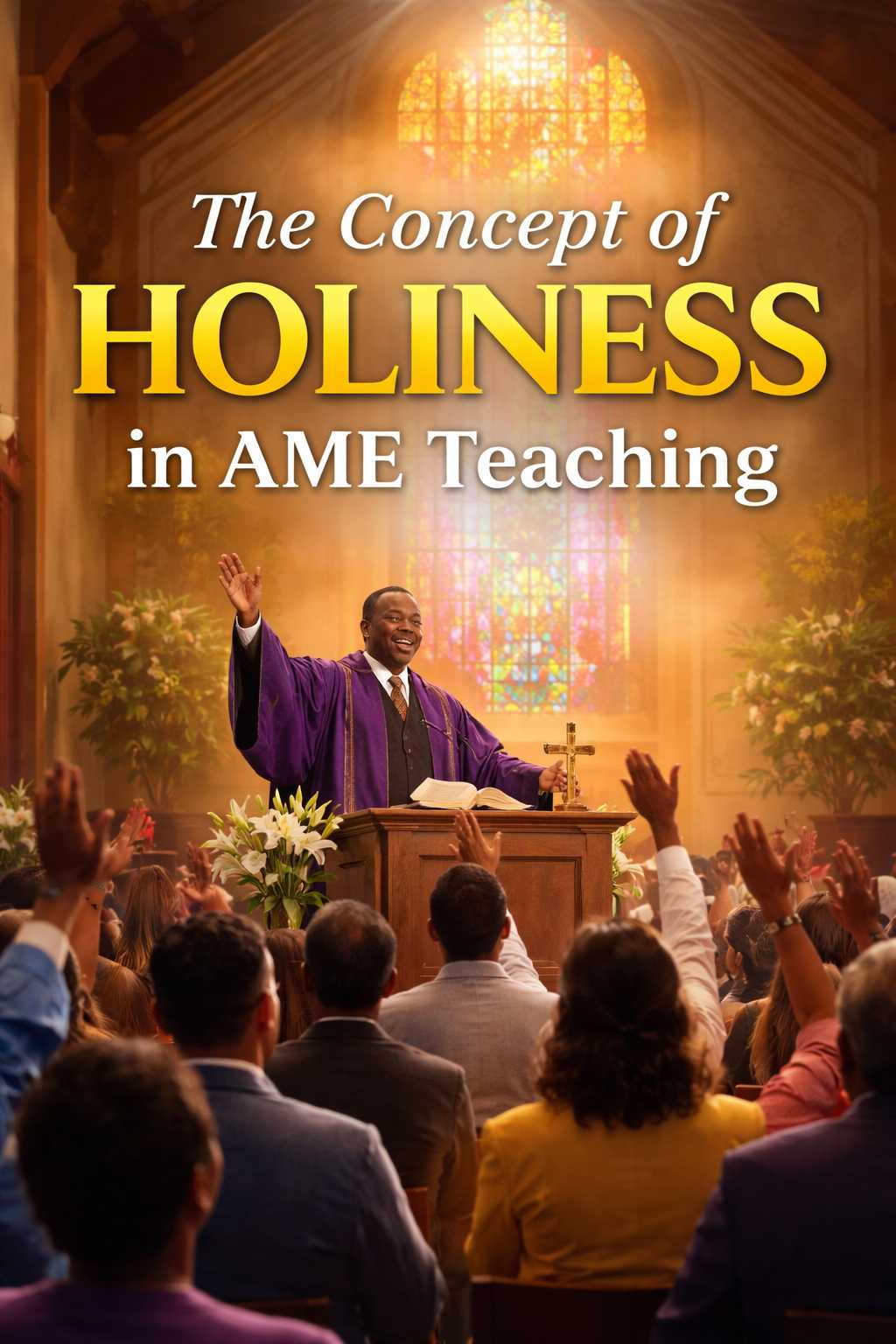
Many people ask a simple question: What does holiness mean in AME teaching?
The African Methodist Episcopal (AME) Church teaches that holiness shapes faith, daily behavior, and service to others. Holiness is not distant or abstract. It is practical, clear, and lived out every day.
This article explains the concept of holiness in AME teaching in simple language. You will learn what holiness means, where it comes from, and how it guides personal life and community action. The goal is to provide accurate, trusted answers based on scripture, church history, and AME doctrine.
Key TakeAways
hide
What Is Holiness in AME Teaching?
A Clear Meaning of Holiness
In AME teaching, holiness means living in a way that reflects God’s will and character. It connects belief with action. Faith should shape how a person speaks, acts, and treats others.
Holiness in the AME Church includes:
- Love for God
- Respect for people
- Moral responsibility
- Commitment to the right conduct
This understanding places holiness at the center of Christian life.
Biblical Foundations of Holiness
Scripture Guides Holiness
The AME Church bases holiness on the Bible. Scripture calls believers to live with obedience and love. One key verse states, “Be holy, for I am holy” (1 Peter 1:16). Another teaches love for neighbor as a core command (Mark 12:31).
These passages show that biblical holiness involves both faith and daily behavior.
Jesus as the Example
AME teaching points to Jesus Christ as the model of holiness. His life showed compassion, truth, humility, and service. Believers follow His example in thought and action.
Wesleyan Roots of Holiness in AME Teaching
John Wesley’s Influence
The AME Church comes from the Methodist tradition founded by John Wesley. Wesley taught that believers grow in holiness through grace, discipline, and love.
AME teaching reflects this belief by emphasizing:
- Ongoing spiritual growth
- Personal responsibility
- Dependence on God’s grace
This approach explains holiness as a process, not a single moment.
AME Doctrine and Teaching Resources
The AME Church teaches holiness through trusted learning tools. Member’s Class 102 helps believers understand faith, conduct, and church responsibility. This class explains the African Methodist Episcopal Church doctrine in clear and simple terms. A complete guide to AME Church beliefs often draws from The Doctrine and Discipline of the African Methodist Episcopal Church. This official text explains moral teaching, worship, church structure, and Christian duty. These resources help members live holy lives with knowledge and confidence.
Personal Holiness in Daily Life
Faith That Shapes Actions
AME teaching stresses personal holiness. This means faith should guide everyday choices. A holy life shows honesty, kindness, self-control, and care for others.
Personal holiness includes:
- Prayer and worship
- Bible study
- Moral decision-making
- Respect for self and others
These practices support spiritual growth.
Social Holiness and Community Responsibility
Holiness That Serves Others
AME teaching also includes social holiness. This belief teaches that faith must improve community life. Holiness calls believers to act with justice, mercy, and compassion.
This includes:
- Helping those in need
- Supporting education
- Standing against injustice
- Promoting equality
Holiness and Social Justice in AME History
Faith in Action
The AME Church was founded in 1816 to oppose racial discrimination in Methodist congregations. This history shows how holiness and justice connect in AME teaching.
Throughout history, AME churches have supported:
- Civil rights efforts
- Schools and colleges
- Community outreach programs
Faith-based organizations, including AME churches, contribute billions of dollars each year to social services across the United States.
Holiness in AME Worship
Worship Teaches Holy Living
AME worship reinforces holiness through preaching, prayer, music, and sacraments. Sermons explain scripture in practical ways. Hymns teach faith, grace, and moral living.
Worship reminds believers how to live holy lives during the week.
Moral Teaching and Holiness
Clear Moral Guidance
AME teaching promotes moral values rooted in scripture:
- Integrity
- Faithfulness
- Respect for life
- Responsibility
Holiness guides family life, work ethics, and community behavior.
Growth With Grace
The AME Church teaches that growth happens over time. Members support one another as they grow in faith and holiness.
Teaching Holiness Across Generations
Children and Youth Education
AME churches teach holiness to young people through Sunday school, youth programs, and mentoring. Lessons focus on honesty, kindness, respect, and service.
These values remain relevant because they rest on enduring Christian principles.
Common Misunderstandings About Holiness
Holiness Is Not Perfection
AME teaching does not claim that believers become flawless. Holiness means growth, learning, and reliance on grace.
Holiness Is Active
Holiness does not separate believers from society. It calls them to serve others with love and responsibility.
Why Holiness Still Matters Today
Many people seek purpose, peace, and moral direction. Holiness in AME teaching provides clear guidance for personal faith and community life. It supports ethical leadership, strong families, and caring communities.
The AME Church draws on over 200 years of scripture-based teaching and lived experience.
Frequently Asked Questions (FAQs)
1. What does holiness mean in the AME Church?
Holiness means living with faith, moral care, and love for others based on scripture.
Yes. AME teaching connects holiness with justice, service, and equality.
3. What role does John Wesley play in AME belief?
AME teaching reflects Wesleyan theology and Methodist tradition.
4. Is holiness required of all AME members?
Yes. Holiness is a shared goal supported by grace and community.
5. Where can members learn AME doctrine?
Members learn through classes like Member’s Class 102 and The Doctrine and Discipline of the African Methodist Episcopal Church.
Holiness shapes faith, character, and service.
If this article helped you, leave a comment with your thoughts or questions.
You can also share this post with others who want to learn more about AME teaching and Christian holiness.
Mary Vaughn
I'm Mary Venable Vaughn, born and raised in Indianapolis, Indiana. I founded Community & Faith Outreach Initiative in 2007 to help my community grow. Author of Members Class 102 and Stepping Into Discipleship. Married to Rev. Emmanuel J. Vaughn with four children.
0 Comments