


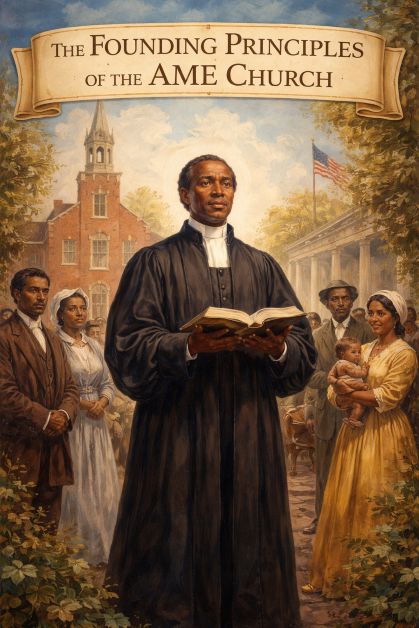
A Church Born From Courage and Faith
The African Methodist Episcopal (AME) Church began with a simple but powerful goal: to worship God with dignity, freedom, and equality. Its founders wanted a church where Black Christians could pray without discrimination and lead without limits.
This article explains the founding principles of the AME Church, why it was formed, and how its values still guide millions of members today. You will learn about its history, beliefs, and lasting impact on faith, education, and justice. This guide is written in clear language and is easy to follow, even if you are new to church history.
What Is the AME Church?
The African Methodist Episcopal Church is the first independent Protestant denomination founded by African Americans in the United States.
- Founded: 1816
- Founder: Richard Allen
- Place: Philadelphia, Pennsylvania
- Christian tradition: Methodist
The AME Church formed because Black worshipers faced racial discrimination inside Methodist churches, even after helping build and grow them.
The Historical Problem That Led to the AME Church
Segregation Inside the Church
In the late 1700s, Black Christians worshiped in Methodist churches with white members. Over time, church leaders forced Black worshipers to sit in balconies or separate areas.
In 1787, a major incident occurred at St. George’s Methodist Episcopal Church in Philadelphia. Church officials pulled Black members from their knees during prayer because they were in a white seating area. This moment deeply hurt the Black congregation.
That act pushed leaders like Richard Allen and Absalom Jones to leave and form their own path.
The Vision of Richard Allen
Faith Without Chains
Richard Allen was a former enslaved man who became a preacher, writer, and organizer. He believed that:
- God does not support oppression
- Faith must include freedom
- Black Christians deserve leadership roles
Allen preached that Christian belief and human dignity belong together. His vision shaped the AME Church from its first day.
In 1816, several Black Methodist congregations met and voted to form a new denomination. Richard Allen became the first bishop.
Core Founding Principles of the AME Church
1. Freedom From Racial Discrimination
The AME Church exists because its founders rejected racial control in worship.
Key belief:
All people are equal before God.
The church promised that no member would face segregation, forced seating, or blocked leadership because of race.
2. Self-Governance and Leadership
The AME Church believes Black Christians should lead their own churches.
This includes:
- Choosing pastors
- Governing church rules
- Managing finances
This principle gave Black communities control over their faith life and local institutions.
3. Methodist Theology and Discipline
The AME Church follows Methodist beliefs, including:
- Salvation through faith
- Personal holiness
- Service to others
It uses a structured church system with bishops, elders, and conferences, based on John Wesley’s Methodist model.
4. Education as a Sacred Duty
Education stands at the center of the AME Church mission.
After the Civil War, the AME Church helped found schools for formerly enslaved people. These schools taught reading, writing, and job skills.
Notable AME-founded colleges include:
- Wilberforce University (Ohio, 1856)
- Allen University (South Carolina)
- Payne Theological Seminary
The church believed education leads to freedom, leadership, and strong families.
5. Social Justice and Public Witness
The AME Church teaches that faith must lead to action.
Throughout history, AME members supported:
- Abolition of slavery
- Civil rights laws
- Voting rights
- Community aid programs
Many AME pastors marched during the Civil Rights Movement. The church served as a meeting place for organizers and educators.
The AME Church and Slavery Abolition
Before the Civil War, AME churches acted as:
- Safe spaces
- Schools
- Organizing centers
AME leaders spoke against slavery from the pulpit and in public writing. This stance made some churches targets of violence, yet they continued their work.
Growth Beyond the United States
A Global Church
Today, the AME Church exists in over 30 countries, including:
- South Africa
- Nigeria
- Jamaica
- Haiti
The church expanded through missionary work and local leadership training. Its message of dignity and justice connected with oppressed groups worldwide.
Worship Style and Community Life
AME worship blends:
- Preaching
- Music
- Prayer
- Scripture reading
Services often include gospel hymns and strong sermons that link faith with daily life.
Churches also run:
- Food programs
- Youth groups
- Health outreach
- Senior support
Why the Founding Principles Still Matter
The AME Church principles remain relevant because:
- Racism still exists
- Education gaps remain
- Communities need moral leadership
The church continues to teach that faith includes justice, learning, and service.
Key Facts About the AME Church
- Over 2.5 million members worldwide
- One of the oldest Black-led denominations
- Founded during legal slavery in the U.S.
- Active in education, voting rights, and disaster relief
These facts are documented in church records and U.S. religious history archives.
Frequently Asked Questions (FAQs)
1. Why was the AME Church founded?
The AME Church was founded to allow Black Christians to worship without racial discrimination and to control their own churches.
2. Who founded the AME Church?
Richard Allen founded the AME Church in 1816 and became its first bishop.
3. What does AME stand for?
AME stands for African Methodist Episcopal.
4. Is the AME Church only for African Americans?
No. The AME Church welcomes people of all races, cultures, and backgrounds.
5. How is the AME Church different from other Methodist churches?
The AME Church shares Methodist beliefs but was formed by Black leaders to ensure freedom, equality, and self-governance.
A Legacy Built on Faith and Justice
The founding principles of the AME Church reflect courage, belief, and hope. From its start in 1816, the church stood against injustice and built institutions that uplifted families and communities.
Its story proves that faith can drive change and protect dignity. These principles continue to guide members today as they serve God and others.
Have you attended an AME Church or studied its history?
👉 Share your thoughts in the comments below.
👉 Follow this blog for more faith and history articles.
👉 Explore AME resources to learn how the church serves communities today.
Your voice matters—join the conversation.
0 Comments