


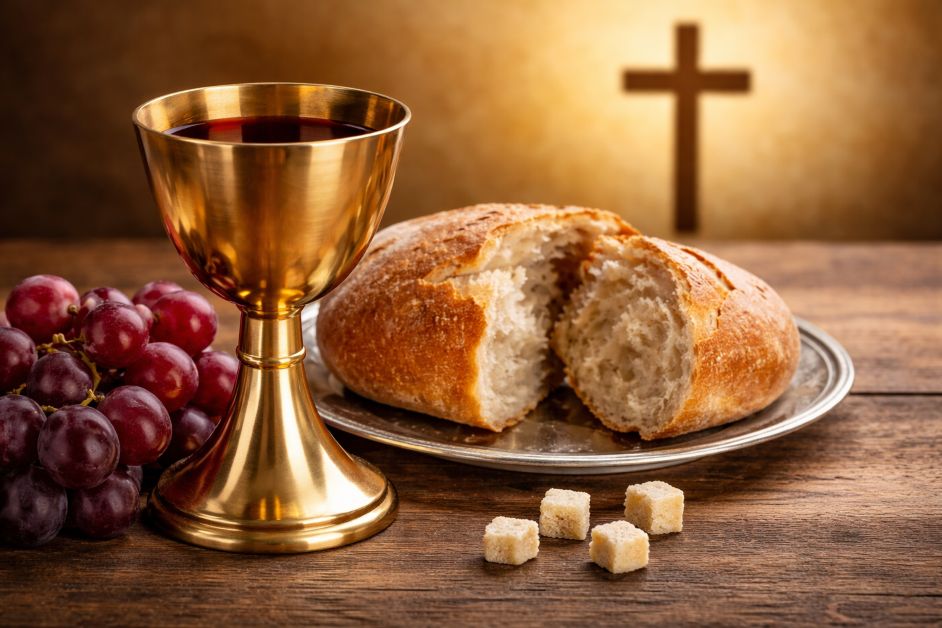
The significance of Communion in AME Belief helps members understand why Holy Communion matters in the African Methodist Episcopal Church. Many people ask: What does Communion mean? Why do we take it? How does it shape our faith? This article answers these questions in simple terms. You will learn how Communion connects believers to Christ, builds unity, and supports spiritual growth.
What Is Communion in the AME Church?
Communion, also called the Lord’s Supper, is one of the two sacraments recognized in the AME Church.
Simple Definition
Communion is a sacred act where believers:
- Remember the death of Jesus Christ
- Share bread and wine (or juice)
- Reflect on their faith
This practice follows the example set by Jesus during the Last Supper.
Why Communion Matters in AME Belief
The Significance of Communion in AME Belief centers on remembrance, faith, and unity.
Key Purpose
- Honors Christ’s sacrifice
- Strengthens personal faith
- Brings believers together
Communion is not just a ritual. It is a spiritual experience.
Biblical Foundation of Communion
Communion comes from the Bible.
Key Scripture
- Jesus shared bread and wine with His disciples
- He said, “Do this in remembrance of me”
This command guides Christian practice today.
Communion as a Sacrament
The AME Church teaches that Communion is a sign of God’s grace.
What Is a Sacrament?
A sacrament is:
- A visible sign
- A spiritual truth
- A means of grace
Communion helps believers feel closer to God.
Spiritual Meaning of Communion
Communion has deep meaning for believers.
1. Remembrance
Believers remember Christ’s death.
2. Reflection
Members examine their hearts and actions.
3. Renewal
Communion renews faith and commitment.
4. Unity
It brings the church together as one body.
Role of Communion in Worship
Communion is a central part of worship in the AME Church.
Worship Connection
- Often included in services
- Led by pastors
- Shared by the congregation
It creates a moment of focus and reverence.
AME Doctrine and Communion
The AME doctrine and beliefs teach that Communion is symbolic and spiritual.
Key Teaching
- Bread represents Christ’s body
- Wine represents His blood
- Christ is present spiritually, not physically
This belief shapes how Communion is practiced.
Who Can Participate in Communion?
The AME Church welcomes believers to the table.
Participation Guidelines
- Open to baptized believers
- Requires self-examination
- Encourages sincere faith
This openness reflects the church’s mission.
Frequency of Communion
Churches may observe Communion regularly.
Common Practice
- Monthly or quarterly
- Special services and events
The timing may vary, but the meaning stays the same.
Connection to Church Governance
Communion also connects to church discipline and order.
Why Structure Matters
- Ensures proper practice
- Maintains respect for the sacrament
- Supports unity in worship
Leaders follow guidelines from the Discipline.
Historical Perspective
Early leaders shaped Communion practices.
Influence of Richard Allen
He emphasized:
- Faith in action
- Order in worship
- Equal access to sacraments
These values remain today.
Benefits of Communion for Believers
Communion supports spiritual growth.
Key Benefits
- Deepens faith
- Encourages reflection
- Builds community
- Strengthens commitment
These benefits help believers grow daily.
Common Misunderstandings About Communion
Some people misunderstand Communion.
Misunderstanding 1: It is just a ritual
Truth: It has deep spiritual meaning.
Misunderstanding 2: Only certain people can join
Truth: It is open to believers.
Misunderstanding 3: It has no impact
Truth: It strengthens faith and unity.
Communion and Daily Christian Life
Communion influences daily living.
Practical Impact
- Encourages forgiveness
- Promotes humility
- Inspires service
It reminds believers to live like Christ.
FAQs
1. What is the significance of Communion in AME belief?
It helps believers remember Christ, grow in faith, and unite with others.
2. How often do AME churches take Communion?
Most churches observe it monthly or quarterly.
3. Who can take Communion in the AME Church?
Baptized believers who examine their faith can participate.
4. Is Communion symbolic or literal?
It is symbolic of spiritual meaning.
5. Why is Communion important in worship?
It connects believers to Christ and strengthens the church community.
6. What do the bread and wine represent?
The bread represents Christ’s body, and the wine represents His blood.
Conclusion
The Significance of Communion in AME Belief shows how this sacred act connects faith, memory, and community. It is simple but powerful. Through Communion, believers remember Christ, renew their faith, and grow together.
Take the next step in your faith:
- Reflect on the meaning of Communion
- Participate with understanding
- Share what you learn with others
Communion is more than a tradition. It is a living expression of faith.

0 Comments