
Function and Purpose of AME Conferences: Governance, Order, and Connection in the African Methodist Episcopal Church
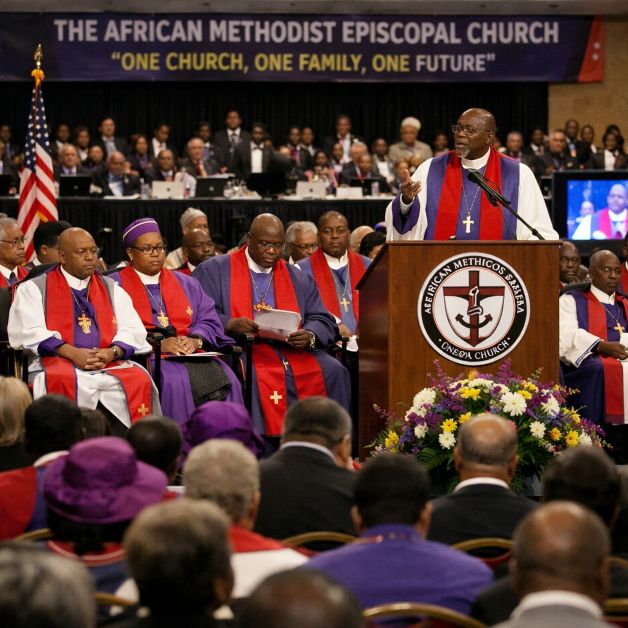
The Function and Purpose of AME Conferences is central to how the African Methodist Episcopal Church (AME Church) stays united, organized, and mission-focused across the world. With more than 2.5 million members globally, the AME Church depends on a clear system of conferences to guide leadership, assign pastors, protect doctrine, and support local churches.
If you have ever wondered how decisions are made, how pastors are appointed, or how churches remain accountable, the answer is found in the AME conference structure. This article explains the Function and Purpose of AME Conferences, how each conference operates, and why this system has sustained the church since 1816.
Key TakeAways
hide
What Are AME Conferences in the AME Church Governance System?
An AME Conference is an official gathering of clergy and lay members for worship, reporting, planning, and decision-making within the AME Church governance structure.
The AME Church follows an Episcopal form of government. Bishops oversee geographic regions called Episcopal Districts. Within those districts, conferences operate at different levels.
The major AME conferences include:
- General Conference
- Annual Conference
- District Conference
- Quarterly Conference
- Church Conference
Each conference has a defined function. Together, they form the connectional church system, which keeps every AME congregation connected under shared doctrine and leadership.
The General Conference: Supreme Authority in AME Church Governance
Role and Function of the AME General Conference
The General Conference is the highest governing body in the AME Church. It meets every four years.
Its primary responsibilities include:
- Establishing church law
- Revising the Book of Discipline of the AME Church
- Electing Bishops
- Electing General Officers
- Defining church policy and direction
This conference represents the entire denomination. Clergy and lay delegates from every Episcopal District attend.
Why the General Conference Matters
The General Conference protects:
- Church doctrine
- Church order
- Ministerial standards
- Global unity
It ensures the AME Church remains faithful to its mission:
To minister to the spiritual, intellectual, physical, emotional, and environmental needs of all people.
Without this governing body, there would be no unified structure.
The Annual Conference: The Backbone of AME Conference Structure
Function and Purpose of the Annual Conference in the AME Church
The Annual Conference meets once each year in every Episcopal District. The Bishop presides over it.
Participants include:
- Itinerant Elders
- Deacons
- Local Preachers
- Retired Ministers
- One Lay Delegate per charge
Key Responsibilities of the Annual Conference
- Receive pastoral reports
- Evaluate ministry work
- Appoint pastors
Pastoral appointments are announced during the Annual Conference. A pastor may stay or receive a new assignment.
Why It Is Called the Backbone
Methodism emphasizes accountability. Ministers report their work yearly. The Bishop reviews their stewardship. This structure builds trust and leadership growth.
The Annual Conference strengthens the connectional system and ensures pastoral oversight remains clear.
The District Conference: Leadership Development in the AME Conference System
Purpose of the District Conference in AME Governance
The District Conference meets once per year within each Presiding Elder District.
The Presiding Elder leads this gathering. It includes:
- Traveling ministers
- Local preachers
- Evangelists
- Lay leaders
- Youth representatives
- Missionary Society leaders
Functions of the District Conference
- Review church growth
- Provide leadership training
- Share ministry strategies
- Strengthen district unity
This conference supports collaboration among local churches. It reinforces the structure established by the General and Annual Conferences.
The Quarterly Conference: Accountability in Local AME Church Administration
Role of the Quarterly Conference in the Function and Purpose of AME Conferences
The Quarterly Conference meets four times per year. The Presiding Elder presides.
Participants include:
- Pastor
- Stewards
- Trustees
- Class leaders
- Missionary Society leaders
- Lay organization leaders
- Sunday School Superintendent
Core Responsibilities
- Review financial reports
- Review membership growth
- Examine ministry programs
- Support pastoral leadership
- Approve major actions
The Quarterly Conference ensures transparency and financial integrity at the local level.
It keeps each church aligned with the AME Discipline and the connectional mission.
The Church Conference: Member Participation in AME Governance
Purpose of the Church Conference in the AME Church
The Church Conference is the most inclusive local gathering.
All members in good standing may attend and vote. The Pastor presides.
Main Functions
- Present the annual budget
- Present ministry plans
- Discuss church concerns
- Vote on key matters
The Church Conference reflects the AME belief that clergy and laity share responsibility in church governance.
The Connectional System: The Foundation of the Function and Purpose of AME Conferences
The AME Church operates under a connectional church system. This means no congregation functions alone.
Key facts:
- The AME Church has 20 Episcopal Districts.
- 13 districts are in the United States.
- 6 districts are in Africa.
- 1 district includes the Caribbean and parts of South America.
- Newly elected Bishops serve their first assignment in Africa.
This structure strengthens:
- Doctrinal consistency
- Leadership accountability
- Global mission support
- Educational institutions
AME-related institutions include:
- Wilberforce University
- Allen University
- Payne Theological Seminary
- Turner Theological Seminary
The conference system protects the heritage established in 1816 under Bishop Richard Allen.
Biblical Foundation for the AME Conference System
The Function and Purpose of AME Conferences reflects biblical principles of order and accountability.
In Acts 15, church leaders gathered to resolve doctrinal concerns. This resembles the General Conference model.
The Apostle Paul reported missionary efforts to church leaders. This mirrors the Annual Conference structure.
Scripture supports organized leadership and shared oversight.
How AME Conferences Promote Church Growth and Stability
AME Conferences:
- Identify struggling congregations
- Provide mentorship
- Train ministers
- Encourage stewardship
- Protect doctrinal clarity
They reinforce:
- The Articles of Religion
- The Apostles’ Creed
- The Affirmation of Faith
This governance system ensures long-term stability and unity.
Frequently Asked Questions About the Function and Purpose of AME Conferences
1. How often does the AME General Conference meet?
The General Conference meets every four years.
2. Who appoints pastors in the AME Church?
The Bishop assigns pastors during the Annual Conference.
3. What is the main purpose of the Quarterly Conference?
It reviews finances, ministry progress, and church accountability four times per year.
4. Who can attend a Church Conference?
All members in good and regular standing may attend and vote.
5. Why do newly elected Bishops serve in Africa first?
This policy strengthens global unity and honors the church’s historic mission.
6. What makes the AME conference structure unique?
It combines episcopal oversight with lay participation within a connectional governance system.
The Lasting Importance of the Function and Purpose of AME Conferences
Since 1816, the Function and Purpose of AME Conferences has preserved unity, order, and mission within the African Methodist Episcopal Church.
This system protects:
- Sound doctrine
- Ministerial standards
- Financial accountability
- Global connection
It ensures the AME Church remains:
- Spirit-led
- Organized
- Accountable
- Mission-centered
The conference structure continues to serve as the backbone of AME Church governance.
If this article clarified the Function and Purpose of AME Conferences, share it with your local church leaders or new members’ class. Leave a comment with your Episcopal District and one insight you gained about AME governance.
Stay informed. Stay connected. Stay committed to the mission of the AME Church.
Mary Vaughn
I'm Mary Venable Vaughn, born and raised in Indianapolis, Indiana. I founded Community & Faith Outreach Initiative in 2007 to help my community grow. Author of Members Class 102 and Stepping Into Discipleship. Married to Rev. Emmanuel J. Vaughn with four children.
0 Comments