


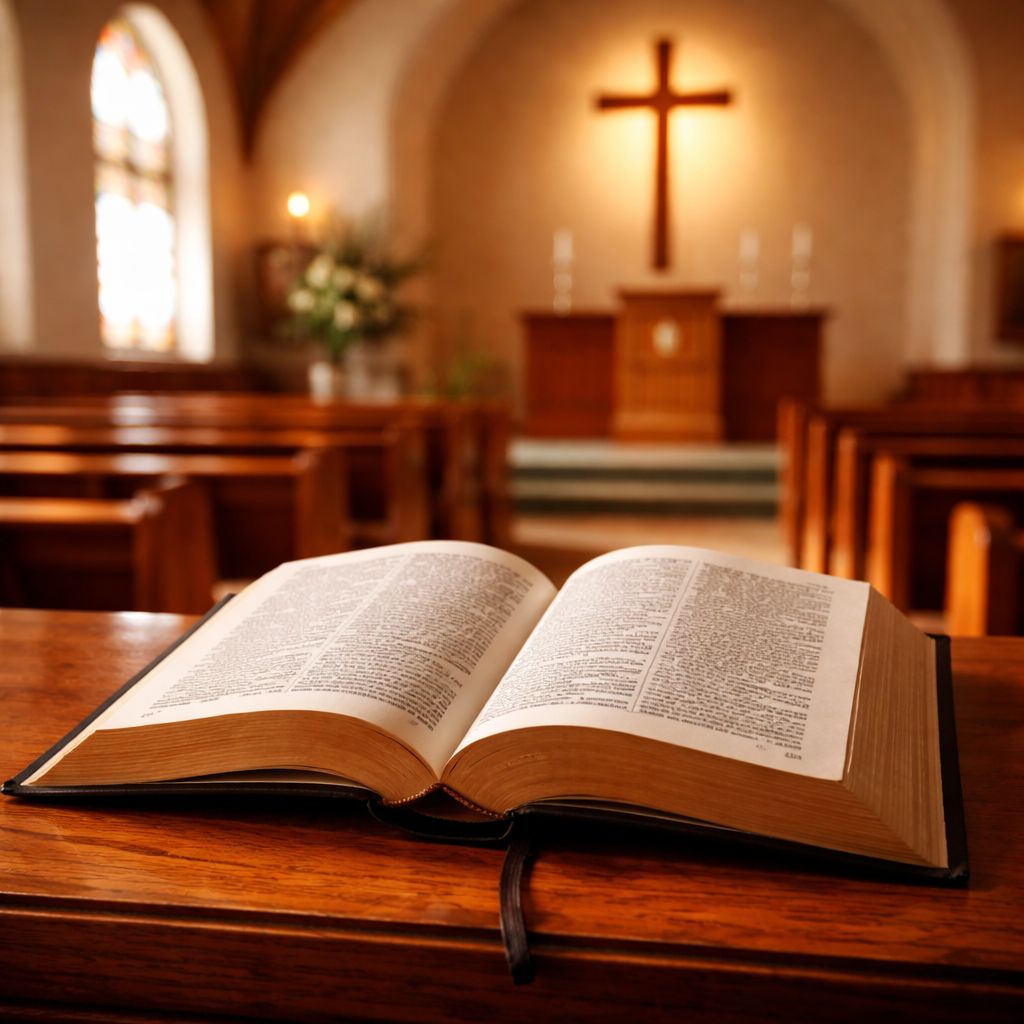
The Role of Scripture in AME Doctrine shapes every belief, rule, and practice in the African Methodist Episcopal Church. The Bible stands as the highest authority in AME theology. It defines salvation, holiness, church order, and Christian living. The AME Church does not build doctrine on opinion or culture. It builds doctrine on Scripture. From the 25 Articles of Religion to the Catechism on Faith in Member’s Class 102: A Manual for African Methodist Episcopal Church Members (Revised Edition 2025), every teaching flows from the Word of God.
Let’s explore how Scripture guides AME doctrine and why it still matters today.
Scripture Is the Highest Authority in AME Doctrine
The AME Church teaches that the Bible contains everything necessary for salvation. Article 5 of the 25 Articles of Religion clearly states this truth. Nothing outside Scripture should be required for salvation.
This means:
- The Bible is the final authority in AME doctrine.
- All church teachings must agree with Scripture.
- Church traditions must reflect biblical truth.
The Old and New Testaments work together. The Old Testament prepares the way. The New Testament reveals Christ as the fulfillment. This unity protects the church from false teaching and confusion.
The Role of Scripture in AME Doctrine and the Holy Trinity
One of the clearest examples of the Role of Scripture in AME Doctrine is the teaching of the Trinity.
Article 1 teaches:
- One living and true God
- Three persons: Father, Son, and Holy Spirit
- Equal in power and glory
This doctrine comes directly from Matthew 28:19. The AME Church does not create new ideas about God. It teaches what the Bible declares.
Because Scripture defines God, AME worship reflects Scripture. Prayers honor the Father. Sermons proclaim Christ. The Holy Spirit guides the church.
Biblical Authority and Salvation in AME Theology
The AME Church teaches justification by faith. Article 9 states that we are made right with God through faith in Jesus Christ, not through works.
The Catechism explains justification in simple terms:
- God forgives the sinner.
- Faith trusts Christ’s sacrifice.
- Salvation comes by grace.
Romans and Ephesians support this teaching. Good works matter, but they follow faith. They do not earn salvation.
This biblical foundation connects AME doctrine to historic Methodist teaching while keeping Scripture at the center.
The Sacraments in African Methodist Episcopal Doctrine
Scripture defines the two sacraments recognized by the AME Church:
- Baptism
- The Lord’s Supper
Baptism and Biblical Teaching
Baptism marks a spiritual new birth. It shows entry into the Christian community. The AME Church baptizes children and adults. This practice follows biblical covenant patterns.
Holy Communion and Scriptural Foundation
Communion remembers Christ’s death. The bread and cup symbolize His body and blood. Article 18 rejects the idea that Christ is sacrificed again. His sacrifice was once and complete.
Jesus said, “Do this in remembrance of Me.” The AME Church obeys His words.
Sanctification: Scripture Shapes Holy Living
Sanctification means growth in holiness through the Holy Spirit. The Catechism lists the fruits of justifying faith:
- Peace
- Joy
- Love
- Power over sin
Scripture teaches that believers can mature spiritually. This truth appears in Hebrews and 1 Thessalonians.
The AME Church calls members to holy living because Scripture commands it. Faith changes behavior. The Holy Spirit renews the heart.
Moral Law and Christian Conduct in AME Beliefs
Article 6 explains that Christians are not bound by Old Testament ceremonial laws. Yet moral law still applies.
This includes:
- Loving your neighbor
- Telling the truth
- Rejecting sin
- Practicing forgiveness
Scripture defines these moral standards. Culture does not define them. This steady biblical foundation keeps AME doctrine consistent across generations.
Episcopal Church Government and Biblical Order
The AME Church follows an Episcopal system. Bishops provide oversight. Conferences maintain accountability. This structure reflects biblical order.
The General Conference governs doctrine and discipline. Yet all authority must align with Scripture.
Order promotes unity. Unity strengthens the mission. Scripture supports both.
Social Justice Rooted in Scripture
The AME Church was formed in 1816 after racial discrimination in the Methodist Episcopal Church. Richard Allen believed Scripture demanded justice and dignity.
The Bible teaches:
- All people bear God’s image.
- God opposes oppression.
- Faith requires action.
The AME mission includes feeding the hungry, housing the homeless, and serving those in need. This mission flows from biblical commands found in James and the Gospels.
Faith and works belong together.
Scripture in AME Worship and Education
Scripture shapes AME worship services:
- Sermons explain biblical passages.
- Hymns reflect Scripture.
- Prayers echo biblical language.
- Catechism teaches biblical truth.
AME colleges and seminaries train leaders in biblical interpretation. Education protects doctrinal accuracy and strengthens the church.
The 25 Articles of Religion: A Biblical Summary of AME Doctrine
The 25 Articles of Religion summarize essential biblical teachings. They address:
- The Trinity
- Christ’s resurrection
- Original sin
- Free will
- Justification
- Sacraments
- Sanctification
These Articles guide members. They guard against error. They preserve the church’s biblical foundation.
Why the Role of Scripture in AME Doctrine Still Matters
The Role of Scripture in AME Doctrine remains vital today. The Bible:
- Shapes faith
- Guides moral decisions
- Corrects false teaching
- Brings comfort
- Builds spiritual strength
2 Timothy 2:15 calls believers to study God’s Word. The AME Church encourages members to know Scripture personally.
Knowledge builds confidence. Truth strengthens faith.
Frequently Asked Questions (FAQs)
1. What is the Role of Scripture in AME Doctrine?
Scripture serves as the highest authority. All AME beliefs, practices, and teachings must align with the Bible.
2. How many sacraments does the AME Church recognize?
The AME Church recognizes two sacraments: Baptism and the Lord’s Supper.
3. Does AME doctrine teach salvation by faith alone?
Yes. The church teaches justification by faith in Jesus Christ. Good works follow salvation.
4. What are the 25 Articles of Religion?
They are official statements of belief based on Scripture that summarize core AME doctrine.
The Bible teaches justice and compassion. The AME Church applies these teachings through ministry and service.
6. Why is sanctification important in AME theology?
Sanctification shows spiritual growth. The Holy Spirit helps believers overcome sin and live holy lives.
Take the Next Step
Study one of the 25 Articles this week. Compare it with the Bible passage it reflects. Write down what you discover.
If this article helped you understand the Role of Scripture in AME Doctrine, leave a comment and share your thoughts. Your insight can encourage someone else to grow deeper in biblical faith.
0 Comments
Trackbacks/Pingbacks