


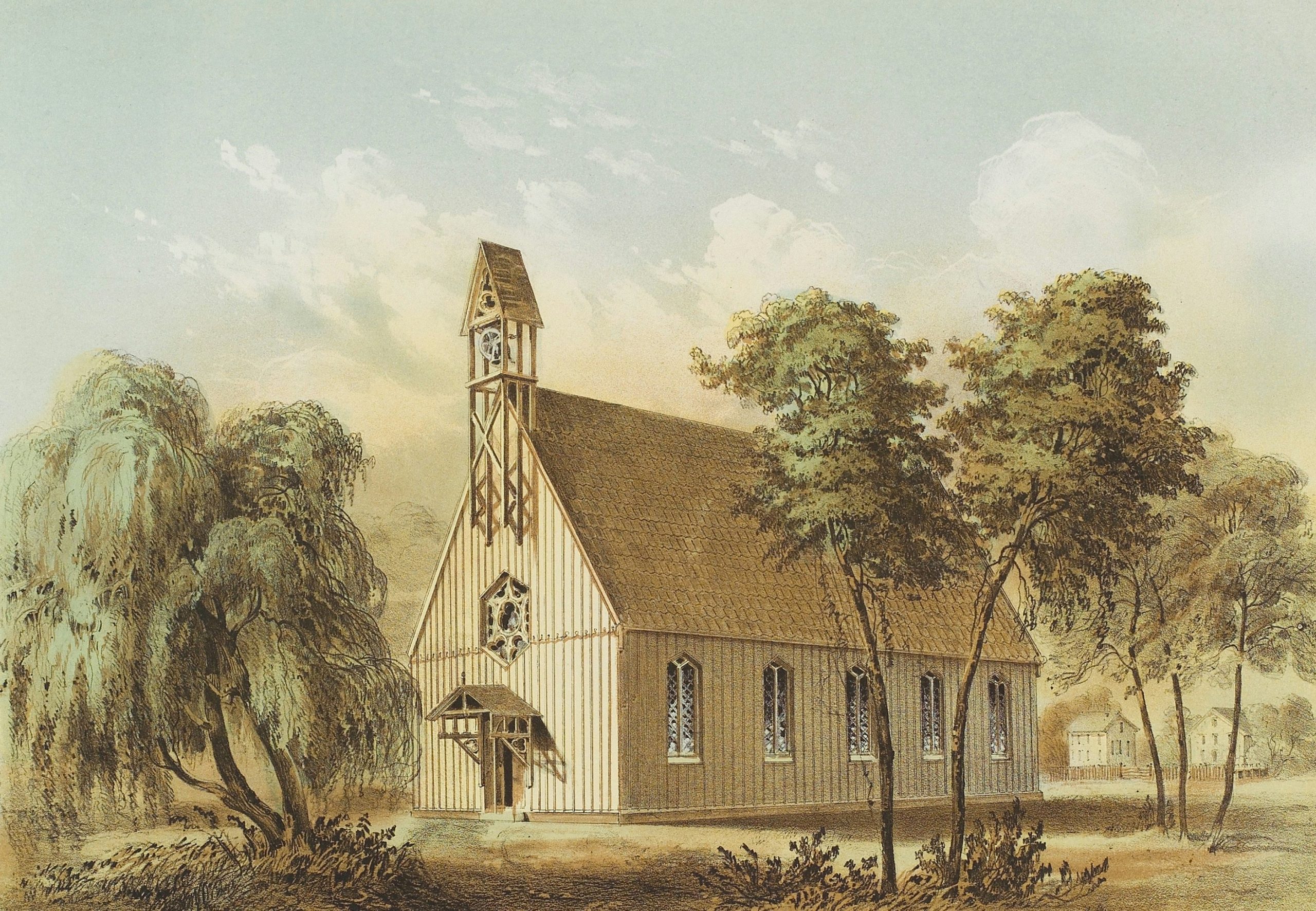
The Methodist Episcopal Church Schism is seen as one of the most important moments in American religious history. Not only did it reshape worship and leadership, but it also provided spiritual freedom for African Americans. Mary Venable Vaughn’s book, Member’s Class 102: A Manual for African Methodist Episcopal Church Members, explains this turning point with clarity and purpose, grounding the story in lived experience, faith, and conviction
And so, this article explains how the schism unfolded, why it mattered, and how it led to the birth and founding of the African Methodist Episcopal Church. Additionally, this piece also shows why this history remains essential for present-day members. Moreover, this article is for anyone seeking to understand the roots of Black church independence.
Methodism in Early America
So, how did Methodism start in America? Well, Methodism began as a revival movement focused on discipline, Bible study, and accessible preaching. Brothers and Anglican priests John and Charles Wesley emphasized plain teaching and personal faith in their approach to faith. Their method spread quickly in different parts of America, mostly appealing to working-class communities and people who felt overlooked by established churches.
African Americans were drawn to Methodism for its message of spiritual equality. Early Methodist preaching spoke of salvation for all and encouraged disciplined Christian living—welcoming anyone willing to join the congregation. This level of openness allowed Black worshippers to join Methodist congregations in large groups.
The Growing Divide Within the Church
As Black membership increased in the church, racial tension and discrimination followed. With white leadership and groups controlling seating, leadership roles, and decision-making, the African American members often faced humiliation during worship.
Vaughn, through her book, documents how Black congregants at St. George’s Methodist Church in Philadelphia were forced into segregated and awkward seating arrangements and, eventually, physically removed during prayer or worship. These acts exposed a gap between Methodist theology and Methodist behavior—and it’s part of the reason that triggered the split.
The Walkout That Changed Church History
The turning point in the Methodist Episcopal Church Schism took place in 1787. During that time, a couple of Black members, including Richard Allen and Absalom Jones, left St. George’s Methodist Church after being forcibly removed from their place of prayer.
The walkout was not a spontaneous incident, but it was done in a precise and planned way. The group had consistently demanded that their requests for fair treatment and equal worship be met, but this was not heeded. And so, the group refused that level of injustice and inequality in the House of God.
That decision sparked a movement grounded in self-governance and spiritual autonomy.
From Separation to Formation
Following the walkout, Black Methodists formed the Free African Society. This group provided mutual aid, spiritual support, and a sense of community for every member in the locality.
While some members aligned with Episcopal traditions and processes, Richard Allen, the movement's central figure, remained committed to Methodism’s discipline and worship practices (or ways).
Over time, independent Black Methodist congregations grew across many cities. In 1816, these churches united to form the African Methodist Episcopal Church. This moment formalized the Methodist episcopal church separation from the Methodist church and created the first independent Black denomination in the United States
Why the Schism Was Necessary
The schism did not arise from doctrinal dispute, as the theology remained largely the same. The conflict centered on power, dignity, and leadership.
Different African Americans sought the right to worship without restriction, govern their own congregations, and develop honest, genuine leaders from within their community. These goals could not be met under the existing Methodist authority.
This reality explains the Black Methodist separation as an act of faith and self-respect—of seeing improvements that do not look at race, skills, and abilities for growth.
Schism’s Key Outcomes
Image Source: Unsplash
1. Independent Leadership
Various bishops, pastors, and governing bodies were selected and established by the AME Church. This shift ensured accountability to the community it served.
Leadership independence enabled churches to respond directly to social and spiritual needs rather than waiting for a go-ahead from other authorities (higher-positioned groups). It also created opportunities for education and advocacy.
This structure remains central to AME identity today.
2. Connectional Church Structure
Vaughn emphasizes that the AME Church’s connectional system links congregations across regions and nations. And that structure promotes unity, shared mission, and mutual support for other members and groups—ensuring that the bond is strong.
Connectionalism strengthened churches facing discrimination and limited resources. By being supported through global expansion, the system reinforced collective responsibility. It also makes connections between people stronger and resilient.
3. Commitment to Social Justice
From its beginning and starting point, the AME Church addressed both spiritual and social concerns wholeheartedly. Members supported education, abolition efforts, and community care—things that matter for the people in the congregation.
Richard Allen and Sarah Allen actively aided escaped slaves and organized charitable work, showcasing how their faith expressed itself through action. This incredible legacy continues through AME institutions and ministries.
Understanding the Historical Impact
The Methodist schism history reveals how faith communities respond to injustice. The AME Church did not abandon Christianity or Methodism; instead, it reclaimed both in the most meaningful way.
By forming an independent denomination, African Americans affirmed their spiritual authority and cultural worth. This act later influenced Black church movements and civil rights efforts, which later played a role in changing African Americans’ lives. The schism shaped American religious diversity.
Why This History Still Matters
Many members of the church know the name AME but not where it comes from. Vaughn's book fills this absence by using history given in an accessible form that is meant to be learned and reflected upon.
Understanding the schism brings about identity and purpose. It reminds members that their church was born from courage, faith, and conviction.
It instills an appreciation for current responsibilities.
The History of Faith
History becomes important when shared. Learning about the story of the AME Church enhances worship, and it also underscores the strength of the community. The American Methodist schism, explained through AME history, shows how faith responds to injustice with resolve and vision. The church’s formation stands as a testimony to spiritual courage.
Readers are encouraged to study this story, share it within their churches, and honor the legacy through faithful service. History becomes powerful when it informs action today. Mary Venable Vaughn’s incredible book, Member’s Class 102, provides a clear, respectful guide to this historical moment, making it accessible for all generations. Don’t miss the exciting opportunity and download a copy of this book today.
0 Comments
Trackbacks/Pingbacks