


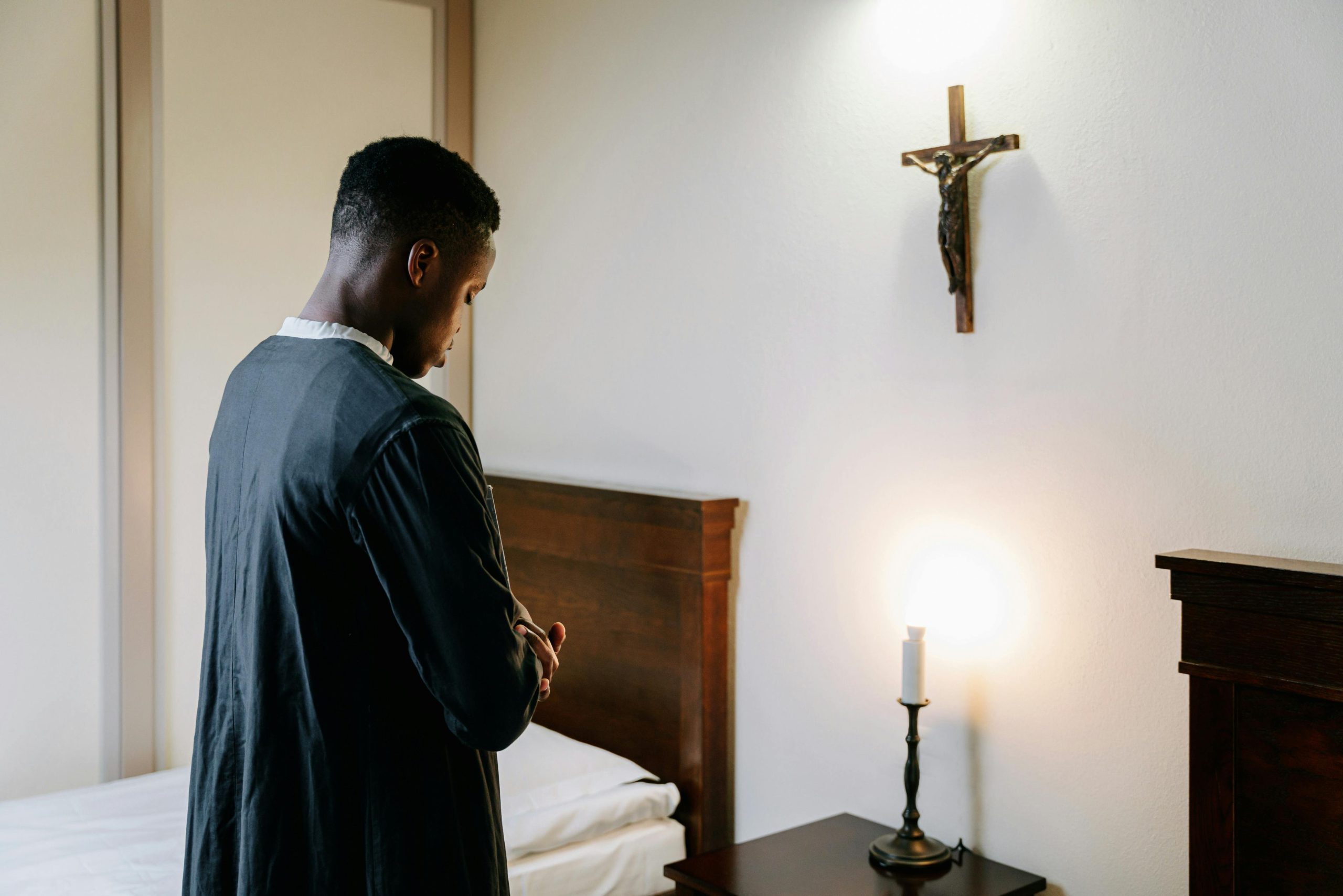
The African Methodist Episcopal (AME) Church places strong emphasis and priority on learning, growth, and spiritual maturity for its members. The AME church education mission centers on guiding believers toward a faithful life grounded in scripture, history, and service—helping members walk a purposeful and happy existence.
Mary Venable Vaughn’s Members’ Class 102: A Manual for African Methodist Episcopal Church Members explains how teaching, discipline, and practical instruction help members develop lifelong commitment to faith. The manual presents doctrine in simple terms so believers of every age can apply biblical truth to daily living, ensuring that their journey is meaningful and worthwhile.
Education in the church does not stop after a member receives his or her baptism. Instead, the process continues through their study sessions, catechism, and shared learning experiences. These activities help members grow in knowledge and spiritual maturity. As a result, faith becomes more than belief; it becomes a daily practice shaped by information and action.
The Purpose of Learning in the AME Church
Teaching has always been a central part of the Methodist tradition. Early Methodist members practiced regular study and prayer, forming disciplined habits that strengthened belief and behavior. The AME Church continues this pattern and process through structured classes and guided learning for new and old members. And so, the mission of the church includes ministering to the spiritual, intellectual, physical, and emotional needs of people.
Therefore, education becomes a ministry itself as members learn scripture, church history, and responsibility so they can serve others wisely. It brings them closer to the pathway chosen by God for them.
Through this particular approach, Christian education supports a person’s personal growth and community service. Learning transforms attitudes, strengthens decision-making skills, and encourages compassionate action for others. Choosing from this knowledge, it leads to responsible living and faithful leadership.
How Discipleship Shapes Daily Life
In whatever time or year, it is, discipleship requires practice. It involves applying biblical teaching to behavior and relationships, which should be applied to everyday life and decisions. And so, the manual explains that studying God’s word prepares believers to live with purpose and confidence. Here are some key areas of discipleship development to remember:
Learning Scripture Consistently
It’s important to understand that scripture reading builds spiritual stability. And so, daily reading encourages reflection and patience for the member. Over time, believers gain clarity about right and wrong decisions. The manual encourages study so members can grow stronger in faith, love, patience, and care. As reading improves memory and focus, passages become familiar and easier to recall during difficult situations, and strengthen trust and hope.
Practicing Prayer and Worship
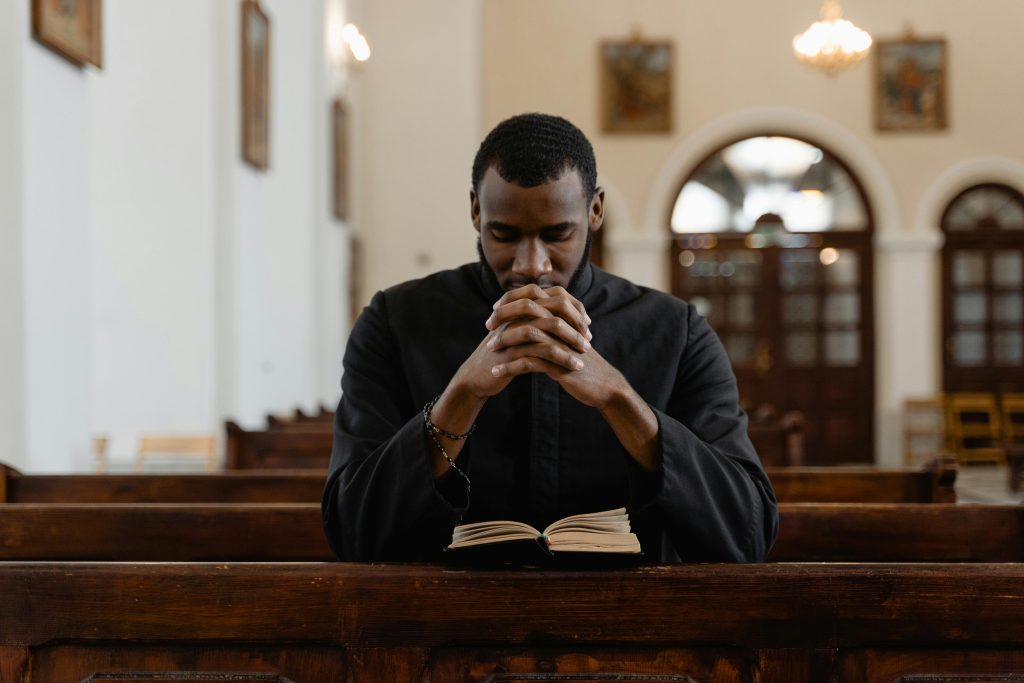
Prayer develops communication with God, and worship builds gratitude and humility. Both activities reinforce commitment and discipline. In the manual, this type of contact is more pronounced when the member prays before each lesson to prepare the mind for learning. With prayer shaping their attitudes, believers become calmer and more thoughtful, with their decisions reflecting wisdom and patience.
Serving the Community
Faith expresses itself through actions that resonate with kindness, care, and understanding. The church teaches members to feed the hungry, care for the sick, and support the needy. Service helps believers apply the teaching to real situations happening in different communities. As compassion grows through practice, a member’s character develops through responsibility.
Studying Church Heritage
Knowing church history builds appreciation and identity. As history shows the courage and perseverance of past members and the congregation, it helps motivate believers—both new and old—to continue the mission faithfully and wholeheartedly.
Participating in Fellowship
Group learning encourages accountability as members learn from each other’s experiences. In this way, fellowship builds trust and encouragement among various members. Moreover, the shared study strengthens commitment and spiritual confidence. Through these steps, discipleship in the AME church becomes practical rather than theoretical.
The Role of Classes and Catechism
The manual presents lessons in structured sessions covering faith, history, and doctrine. Each lesson ends with questions to reinforce learning for the students. And so, this method improves retention and reflection.
On the other hand, catechism teaches beliefs through questions and answers. Members learn justification, grace, repentance, and faith in simple language. Teaching in plain terms makes doctrine accessible to all ages. This approach supports faith formation in the AME church by guiding believers step by step. As knowledge becomes clearer and more memorable, the members’ confidence grows as understanding increases.
Education Beyond the Local Church
The denomination maintains colleges and seminaries that support leadership development. These institutions prepare pastors and teachers for service. For further details, education extends from childhood learning to advanced theological study.
Additionally, learning also occurs through conferences and gatherings. These annual conferences allow leaders to share reports and receive instruction. And importantly, these occasions strengthen cooperation and unity among peers.
Benefits of Structured Spiritual Learning
The AME church education mission seeks to teach believers how to live faithfully while helping others. With comprehension guiding action and beliefs, the balance defines different members.
Members who participate in studying or learning have stronger commitment and confidence levels. Aside from these things, the other benefits include: improved decision-making skills, increased patience for others and for self, stronger relationships with self and other people, greater compassion for the needy, and deeper faith and belief in God.
Through continued learning, believers experience AME church spiritual growth that influences family, community, and personal life.
Five Practical Ways Members Grow Through Education
1. Attending Weekly Study Sessions
Weekly lessons build a routine, which in turn creates discipline. And as discipline strengthens commitment, members become consistent in their worship and service schedules.
2. Applying Lessons to Real Situations
Teaching gains value when practiced daily. When members use biblical principles during conflict and hardship, their respective growth becomes visible through behavior and reached decisions.
3. Mentoring New Believers
Teaching other people reinforces personal learning as knowledge is tested. Hence, experienced members should guide beginners. Mentoring strengthens community bonds and connects new and old members in one thread.
4. Participating in Conventions
Conferences and conventions provide instruction and encouragement. In these events, members learn broader perspectives, hear shared experiences, and listen to inspirational words. Moreover, unity is increased during these moments.
5. Continuing Personal Learning
Personal reading and reflections maintain progress between classes. In many cases, independent learning builds maturity for the member. Knowledge becomes part of daily thinking.
Begin the Journey of Learning
Faith grows through consistent effort—a constant endeavor to be a better and stronger person. Participation in study classes, service projects, and guided learning strengthens belief and character. When a person joins a membership class or study group, they absorb information that improves their lives.
Members’ Class 102: A Manual for African Methodist Episcopal Church Members by Mary Venable Vaughn is an excellent guide that helps believers apply doctrine to their daily living. The manual functions as a practical resource for both beginners and experienced members. Commit to growth and grab a copy of this book today! Don't forget to visit my website, maryvv.com to learn more about AME Church!
0 Comments