


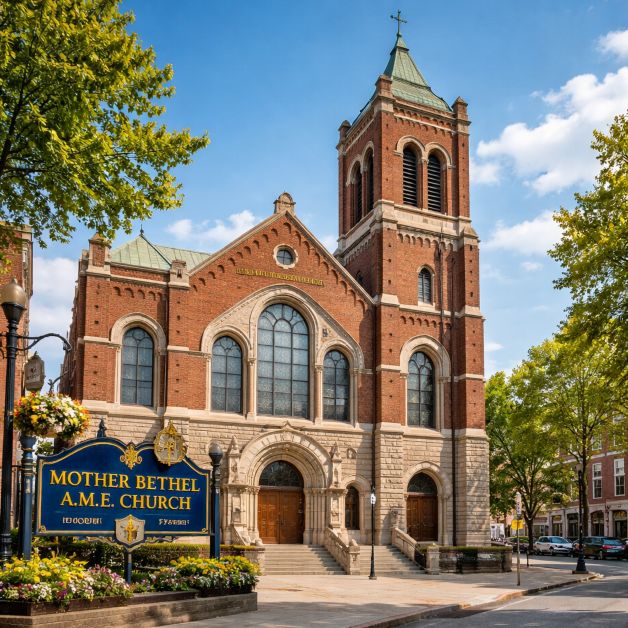
How AME theology guides moral and ethical living is a question many believers ask as they seek clarity, purpose, and direction. The answer lies in the historic teachings of the African Methodist Episcopal Church, rooted in Scripture, shaped by Methodist discipline, and proven through daily Christian practice. From the leadership of Richard Allen to modern congregations, AME doctrine offers a clear path for Christian ethics, biblical morality, and faith-based decision-making.
This article explains how AME theology shapes daily conduct, strengthens moral character, and promotes social responsibility. It draws from the teachings and foundations outlined in Member’s Class 102: A Manual for African Methodist Episcopal Church Members (Revised Edition 2025). If you want to understand how faith becomes action, this guide will help.
The Theological Foundation of AME Moral Teaching
AME theology stands on three pillars:
- The Holy Bible
- Methodist doctrine
- The lived experience of African American Christians
Biblical Authority and Christian Moral Living
AME teaching begins with Scripture. The Church affirms the Trinity—God the Father, Son, and Holy Spirit—and salvation through Jesus Christ. Moral living begins with obedience to God's Word.
The Bible teaches believers to:
- Love your neighbor
- Seek justice
- Practice forgiveness
- Live holy lives
These commands guide daily behavior. They shape ethical decisions at home, at work, and in public life through biblical principles, spiritual discipline, and Christian character formation.
Methodist Discipline and Ethical Formation
The AME Church adopted the structure and discipline of Methodism. That discipline emphasizes:
- Regular prayer
- Bible study
- Holy Communion
- Accountability
- Christian fellowship
Discipline builds moral consistency. Consistency builds strong character. Strong character supports ethical leadership, personal holiness, and faith-based integrity.
How AME Theology Guides Moral and Ethical Living Through the Example of Richard Allen
Richard Allen was born into slavery in 1760. He purchased his freedom for $2,000 by working extra jobs. He preached salvation and opposed racial injustice. In 1816, he helped establish the AME Church after facing discrimination at St. George's Methodist Church.
His life shows how AME theology shapes moral courage, social responsibility, and biblical justice.
Allen supported the Underground Railroad. During the 1793 Yellow Fever epidemic in Philadelphia, about 5,000 people died out of 50,000 residents. Allen organized aid for the sick and dying. He believed Christian duty required service grounded in compassionate ministry and community outreach.
AME theology teaches that faith must be visible in action.
Connectionalism and Christian Ethical Responsibility
The AME Church operates as a connectional church. Each congregation connects to a larger body.
Connectionalism strengthens moral accountability. It promotes:
- Shared leadership
- Collective mission
- Mutual support
- Global fellowship
The Church's mission includes:
- Preaching the Gospel
- Feeding the hungry
- Clothing the naked
- Housing the homeless
- Educating the community
These actions reflect church mission work, faith-driven service, and community transformation rooted in Christian ethics.
Catechism, Doctrine, and Moral Character Formation
The Catechism on Faith teaches doctrine in simple language. It shapes conscience and belief.
Members learn:
- Who God is
- What sin is
- Why salvation matters
- How Christians should live
Clear doctrine prevents confusion. Sound teaching guides moral decision-making, spiritual growth, and Christian discipleship.
Stewardship and Financial Ethics in AME Theology
AME theology teaches stewardship as a moral duty. Stewardship includes:
- Tithing
- Responsible financial management
- Serving with personal talents
- Supporting missions
Stewardship promotes financial integrity, biblical stewardship principles, and generous living. It trains believers to handle resources with honesty.
Forgiveness and Reconciliation in Christian Moral Living
Session 8 of the manual addresses forgiveness.
Forgiveness restores relationships. It prevents bitterness. It reflects Christ’s love.
Forgiveness does not ignore injustice. It releases hatred while still seeking righteousness through restorative justice, spiritual healing, and biblical reconciliation.
A moral life requires both justice and mercy.
Social Justice and Biblical Ethics in the AME Church
AME theology addresses racial injustice and human dignity.
The Church was formed in 1816 after Black believers experienced discrimination. That history shaped its moral mission.
Christian morality includes:
- Opposing racism
- Defending dignity
- Supporting civil rights
- Promoting education
In 1830, Mother Bethel hosted the first national convention of free Black Americans. This event reflects faith-based activism, racial justice advocacy, and Christian social ethics.
Faith and justice belong together.
Education, Leadership, and Ethical Development
AME theology values education. Early schools at Bethel Church supported literacy and leadership.
Education strengthens moral judgment. It develops critical thinking and spiritual maturity through Christian education, leadership development, and moral responsibility training.
Proverbs 22:6 teaches the importance of training children well. Moral formation begins early.
The Sacraments and Spiritual Discipline in Ethical Living
Holy Communion reminds believers of Christ’s sacrifice. It calls for self-examination.
Worship renews commitment to moral conduct through sacramental theology, liturgical practice, and spiritual accountability.
Liturgical seasons such as Advent teach preparation and hope. Ritual practices reinforce ethical awareness.
Women’s Leadership and Moral Influence in the AME Church
Sarah Allen helped organize early missionary work.
Women in the AME Church practiced:
- Feeding the poor
- Educating children
- Supporting clergy families
- Caring for the sick
Their leadership strengthened the Church’s moral culture through women’s ministry leadership, Christian service traditions, and charitable outreach programs. Compassion remains central to Christian ethics.
Practical Applications: Daily Christian Ethical Living
How does AME theology guide everyday life?
In Family Life
- Pray together
- Teach Scripture
- Model honesty
- Practice respect
These habits build family discipleship, faith-centered parenting, and biblical household leadership.
In Work Life
- Be diligent
- Avoid dishonesty
- Treat coworkers fairly
- Serve with excellence
These principles support workplace integrity, ethical professionalism, and a Christian work ethic.
In Public Life
- Vote responsibly
- Support justice
- Defend the vulnerable
- Speak truth with respect
These actions reflect civic responsibility, public faith engagement, and community advocacy.
Faith shapes daily choices.
Frequently Asked Questions (FAQs)
1. What does AME theology teach about moral living?
It teaches believers to love God and neighbor through personal holiness, Christian discipline, and social responsibility.
2. How does AME theology guide moral and ethical living differently?
It combines Methodist doctrine with a strong commitment to racial justice, human dignity, and community accountability.
3. Why is Richard Allen important to AME ethics?
He modeled faith in action. He combined preaching, abolition work, education, and church leadership grounded in biblical justice principles.
Yes. Since 1816, the AME Church has addressed racism and discrimination as moral issues rooted in Christian social teaching.
5. How does the AME Church teach ethics to members?
Through catechism, Bible study, worship, stewardship teaching, and connectional church governance.
6. Why does discipline matter in Christian ethics?
Discipline builds habits. Habits shape character. Character determines moral choices and strengthens ethical consistency.
Evergreen Lessons on How AME Theology Guides Moral and Ethical Living
The principles remain relevant because they focus on:
- Scripture
- Discipline
- Justice
- Service
- Education
- Community
These values support lifelong discipleship, ethical transformation, and faith-driven living in every generation.
Live the Faith You Believe
AME theology teaches that salvation changes behavior. Worship shapes conduct. Discipline forms character. Justice proves sincerity.
From Richard Allen to present congregations, the message remains clear:
Faith must be practiced.
If this article helped you understand how AME theology guides moral and ethical living, leave a thoughtful comment below. Share how your faith shapes your decisions. Continue studying the Catechism and deepen your understanding of Christian ethics, biblical morality, and faith-based leadership through active church participation.

0 Comments
Trackbacks/Pingbacks