


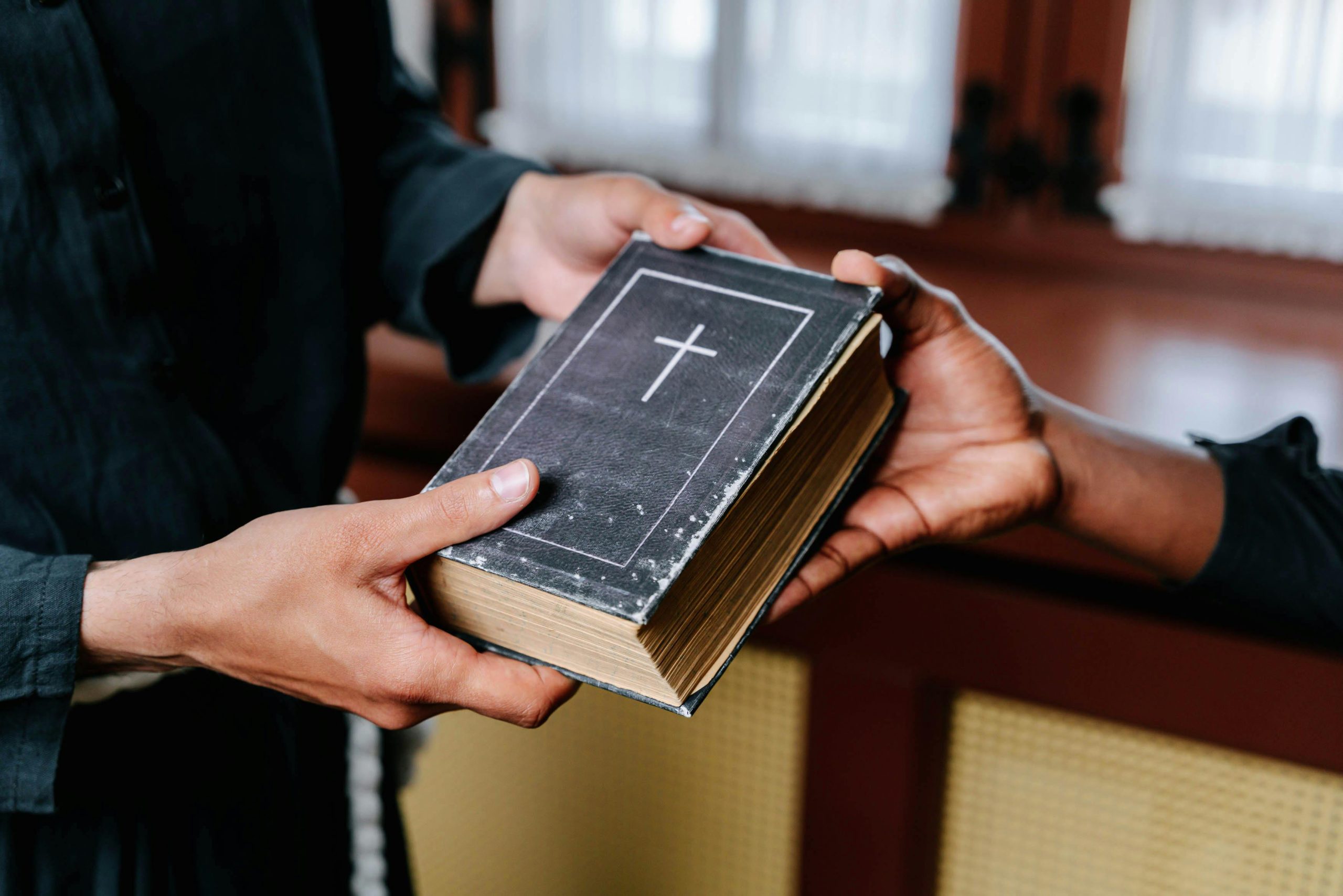
The African Methodist Episcopal Church, also known as AME Church, has a history unlike any other Christian denomination in America. Born out of protest against racial discrimination in a house of worship in Philadelphia, this body of believers emerged not merely as a separate congregation but as a declaration of spiritual dignity.
For new members joining this rich tradition, learning the history is essential to understanding their identity as African Methodists. The process of teaching AME church history has evolved significantly, moving from scattered oral traditions to structured, accessible curricula.
Mary Venable Vaughn’s book, Members’ Class 102: A Manual for African Methodist Episcopal Church Members, serves as a cornerstone of this effort, providing a clear, engaging, and doctrinally sound resource. This article explores comprehensive methods for educating both new and old members of the church, ensuring the legacy of Richard Allen and the struggles of the early church are never forgotten.
The Classrooms of the Church: From Pews to Manuals
Historically, knowledge of AME heritage was passed down through storytelling. Elders would recount the painful walkout from St. George’s Methodist Episcopal Church in 1787, where founder Richard Allen and Absalom Jones were pulled from their knees while praying. However, as the denomination grew, a more systematic approach became necessary. Today, the primary vehicle for this education is the New Members’ Class.
Recognizing a gap in accessible materials, Mary Venable Vaughn created Member’s Class 102. The manual grew out of real ministry needs to have accessible, unified materials. Because information was scattered and many members lacked a single source that explained what it truly means to belong to the AME Church, she resolved to document all the information she gathered. Rooted in the Doctrine and Discipline of the AME Church 2020, this book expands on essential teachings for a new member’s class, covering everything from the establishment of Mother Bethel to the structure of the General Conference.
The Blueprint of Instruction
Teaching AME church history involves more than just memorizing dates; it requires members to understand the "why" behind the faith. The educational structure typically follows a logical progression:
1. The Historical Foundation: Richard Allen and the Protest
Lessons begin with the painful origins of the church. Instructors teach the story of Richard Allen, a former enslaved person who purchased his freedom and became a circuit rider. They explain the "Allenite" movement and the establishment of the Free African Society in 1787. This history emphasizes that the AME Church was “born in protest against slavery—against dehumanization of African people.”
2. The Connectional Church Structure
New members learn that AME is a "connectional" church. They study the hierarchy: the local church, the Annual Conference, the Episcopal Districts, and the General Conference. Teaching Black church history resources often highlight the significance of the Christian Recorder, the official organ of the AME Church and the oldest continuously circulated newspaper in the United States by people of African descent.
3. Doctrine and Theology
Vaughn’s manual emphasizes the AME articles of religion teaching. These 25 Articles, adapted from Methodism, are explained in layman's terms. Members explore the Catechism on Faith, justification, sanctification, and the significance of the sacraments (Baptism and Holy Communion).
4. Practical Stewardship and Discipleship
More than knowing about the past, history is also about shared responsibility. Teaching AME church history includes explaining the role of the laity, stewardship, and the church's mission to “minister to the spiritual, intellectual, physical, emotional, and environmental needs of all people.”
The Role of Sacred Spaces and Archives
Beyond the printed page, learning about AME church history is often an experiential journey. The denomination is blessed with physical landmarks that serve as living textbooks.
For many congregations, a visit to the Mother Bethel historical landmark in Philadelphia is a rite of passage. Located at 6th and Lombard Street, this site contains the tombs of Richard and Sarah Allen. Walking through the Richard Allen Museum, which holds the original wooden pulpit from the blacksmith shop church, gives members a tactile connection to their ancestors.
Similarly, the establishment of the denominational archives AME research has opened new doors for understanding. Institutions like Payne Theological Seminary house extensive collections. The archives at Payne’s Bishop Reverdy C. Ransom Memorial Library hold more than 15,000 items, of which 3,600 items have been classified as rare, endangered, or fragile. Digitization projects have made these records available to researchers and laypersons alike, ensuring that the physical changes and developments of AME educational institutions are preserved for future generations.
The Learning-Focused Structure
One of the keys to the success of modern membership classes is the interactive structure of manuals like Vaughn's. Each session includes short lessons followed by quizzes. This design encourages active learning and retention. Quizzes help readers engage more deeply with the material and identify areas needing further study. Furthermore, the manual is designed for flexibility. It is suitable for group classes, individual study, or refresher courses for seasoned members.
Vaughn emphasizes that the book is designed not only for those new to the AME Church but also as a refresher for seasoned members, making it a valuable and essential resource or guide for anyone seeking and wanting a deeper understanding of their faith journey. Pastors, teachers, and lay leaders find it useful for building confidence in members and promoting spiritual growth.
Learning AME History
In the AME tradition, history and theology are inseparable. Knowing that the church was founded on the principles of liberation and self-determination informs how a member lives out their faith. It grounds the member in a legacy of resilience and activism, moving them from being an attendee to a stakeholder.
Moreover, the AME Church follows the Twenty-Five Articles of Religion, which are a slightly modified version of John Wesley's Articles for the Methodist Episcopal Church. They retain the core Protestant doctrines of the Trinity, the divinity of Christ, and justification by faith, while specifically addressing the needs and historical context of the African American community.
The Importance of History
The process of teaching AME church history ensures that the sacrifices of Richard Allen, Sarah Allen, and the early pioneers are never reduced to mere footnotes. Through structured manuals like Mary Venable Vaughn’s Member’s Class 102, interactive classes, and access to digital archives, members gain a comprehensive understanding of their spiritual heritage.
This education moves beyond rudimentary membership checklists and cultivates a deep, lasting commitment to the connectional church. By the end of their studies, a member does not just belong to a local congregation; they become part of a global legacy of faith, justice, and resilience. So, don’t miss the chance and grab a copy of Mary Venable Vaughn’s Member’s Class 102 today.
0 Comments